
University of Toronto PGWP
University of Toronto PGWP
Introduction
The University of Toronto is one of Canada’s most prestigious and internationally recognized universities. Located in Ontario, it attracts thousands of international students every year who seek high-quality education, research opportunities, and pathways to professional success. For many international students, studying at the University of Toronto is not only an academic achievement but also an opportunity to gain valuable work experience in Canada after graduation. One of the most important mechanisms that supports this transition is the Post-Graduation Work Permit (PGWP).
The PGWP is a work permit designed to allow eligible international graduates to remain in Canada and gain professional work experience after completing their studies. The program has become a critical component of Canada’s international education strategy because it helps graduates integrate into the Canadian labour market while providing employers with access to highly educated talent. For graduates of the University of Toronto, the PGWP often serves as a bridge between academic life and long-term career development, and for many individuals, it is an important step toward permanent residency.
This essay explores the relationship between the University of Toronto and the Post-Graduation Work Permit program, examining eligibility requirements, application procedures, benefits, challenges, career opportunities, and the role of the PGWP in Canada’s immigration system.
The University of Toronto as a Destination for International Students
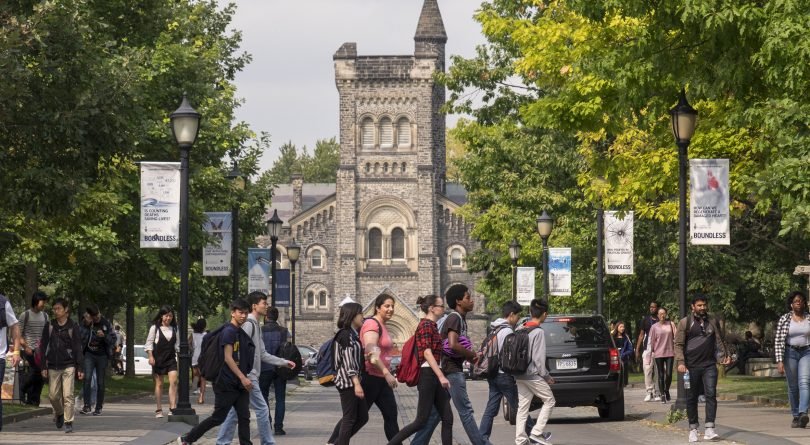
The University of Toronto was founded in 1827 and has developed into one of the leading research universities in the world. The institution consists of three campuses: St. George in downtown Toronto, Mississauga, and Scarborough. Together, these campuses offer hundreds of academic programs across disciplines including engineering, business, medicine, law, computer science, social sciences, humanities, and natural sciences.
The university is known for its rigorous academic standards, distinguished faculty, and global reputation. Students from more than one hundred countries choose the University of Toronto because of its strong educational outcomes and its location within Canada’s largest city. Toronto itself is a major economic and cultural centre that provides access to diverse industries, multinational corporations, research institutions, and government organizations.
For international students, the opportunity to study at a globally respected university and later gain Canadian work experience through the PGWP makes the University of Toronto particularly attractive.
Understanding the Post-Graduation Work Permit: University of Toronto PGWP
The Post-Graduation Work Permit is an open work permit available to eligible international students who graduate from designated learning institutions in Canada. Unlike employer-specific work permits, the PGWP does not require a job offer before application and allows graduates to work for almost any employer in Canada.
The permit is designed to help graduates acquire Canadian work experience. This experience is highly valued by employers and can significantly improve future immigration prospects. Canadian work experience often plays a major role in immigration pathways that lead to permanent residency.
One of the most significant advantages of the PGWP is its flexibility. Graduates may change employers, switch industries, relocate to different provinces, or pursue multiple professional opportunities during the validity period of their permit.
Eligibility Requirements for University of Toronto Graduates
Graduates of the University of Toronto may be eligible for a PGWP if they satisfy all requirements established by Canadian immigration authorities.
The first requirement is completion of an eligible academic program. The program must generally result in a recognized credential such as a degree, diploma, or certificate and meet the minimum duration requirement established by immigration regulations.
Students must also maintain appropriate enrollment status throughout their studies. Full-time study is typically required during each academic session, although certain exceptions may apply, particularly during the final semester or in approved circumstances.
Applicants must receive official confirmation that they have completed all degree requirements. This confirmation is commonly provided through official transcripts and completion letters issued by the university.
Another important requirement is timing. Students must submit their PGWP application within the allowable period following completion of their academic program. Missing the deadline can result in loss of eligibility.
The PGWP is generally available only once. Therefore, students must carefully consider the timing of their application because they will not normally receive a second PGWP later in their academic journey.
Program Length and Work Permit Duration: University of Toronto PGWP
The length of the PGWP is generally connected to the length of the completed academic program.
Students who complete shorter eligible programs may receive a work permit that reflects the duration of their studies. Those who complete programs lasting two years or longer often qualify for the maximum permit duration available under current regulations.
Many University of Toronto students pursue four-year bachelor’s degrees, doctoral programs, or graduate degrees that can lead to longer PGWP validity periods. The availability of a longer permit provides graduates with additional time to gain work experience, develop professional networks, and pursue immigration pathways.
Graduate students benefit significantly from this flexibility because many advanced degree holders require additional time to establish themselves within specialized professional fields.
The Application Process: University of Toronto PGWP
The PGWP application process requires careful preparation and attention to detail.
After completing their academic program, students must gather the necessary documentation. Typical documents include official transcripts, a completion letter, a valid passport, and evidence of previous study authorization.
Applications are generally submitted electronically. Students must accurately complete all forms and provide supporting documentation demonstrating that they satisfy the eligibility requirements.
Errors in documentation or misunderstandings regarding eligibility can lead to delays or complications. Therefore, many University of Toronto students seek guidance from university advisors who specialize in immigration matters.
Applicants should also pay close attention to passport validity. Since work permits cannot generally extend beyond passport expiration dates, renewing a passport before application may help maximize the length of the permit issued.
Transition from Student to Worker: University of Toronto PGWP
The transition from university life to professional employment represents a major milestone for international graduates.
The University of Toronto prepares students for this transition through academic training, experiential learning opportunities, internships, co-op programs, research projects, and career development services. These experiences help students build professional skills that are valuable in the Canadian labour market.
Once a PGWP is issued, graduates can pursue employment opportunities across Canada. Many choose to remain in Toronto because of its strong economy and diverse employment market. Others relocate to different provinces depending on career goals and industry demand.

The flexibility of the PGWP allows graduates to explore multiple career options and identify positions that align with their education and long-term aspirations.
Employment Opportunities for University of Toronto Graduates
University of Toronto graduates are employed across a wide range of industries.
Graduates from engineering and computer science programs often find opportunities in technology companies, software development firms, artificial intelligence organizations, and engineering consultancies.
Business graduates frequently enter fields such as finance, accounting, management consulting, marketing, and entrepreneurship.
Health science and life science graduates may pursue careers in research, healthcare administration, biotechnology, pharmaceuticals, and public health.
Humanities and social science graduates contribute to education, government, policy development, communications, journalism, and nonprofit organizations.
Because the University of Toronto has a strong reputation among employers, many graduates are able to secure positions that support career advancement and long-term professional growth.
Challenges Faced by International Graduates: University of Toronto PGWP
Although the PGWP offers substantial benefits, international graduates may encounter challenges during the transition from education to employment.
One common challenge involves understanding immigration requirements. Regulations can be complex, and students must ensure compliance throughout their studies and application process.
Another challenge is competition within the labour market. While Toronto offers many employment opportunities, it is also home to a large number of highly qualified graduates competing for similar positions.
Financial considerations may also arise. Graduates often need to manage living expenses, housing costs, and career development expenses while establishing themselves professionally.
Adapting to workplace culture can present additional challenges. International graduates may need time to become familiar with Canadian professional norms, communication styles, and workplace expectations.
Despite these obstacles, many graduates successfully navigate the transition and build rewarding careers.
The PGWP and Permanent Residency: University of Toronto PGWP
One of the most significant advantages of the PGWP is its connection to permanent residency pathways.
Canadian immigration programs frequently reward applicants who possess Canadian educational credentials and Canadian work experience. The PGWP provides an opportunity to acquire both.
Work experience gained under the PGWP can strengthen applications for various immigration pathways. Many graduates use their work permit period strategically to accumulate skilled employment experience that enhances their eligibility for permanent residency programs.
As a result, the PGWP serves as more than a temporary work authorization document. It often becomes an important component of a long-term immigration strategy.
University Support Services: University of Toronto PGWP
The University of Toronto offers a variety of services to help international students understand immigration requirements and career planning.
International student offices provide information about study permits, work permits, and post-graduation options. Advisors help students understand eligibility requirements, application procedures, and important deadlines.
Career centres offer services such as résumé reviews, interview preparation, networking events, career fairs, and employer engagement programs.
These support systems play a crucial role in helping students transition successfully from academic studies to professional employment.
Economic and Social Contributions: University of Toronto PGWP
Graduates who remain in Canada through the PGWP contribute significantly to Canadian society.
Economically, they fill labour shortages, support innovation, and contribute to productivity across multiple industries. Their international perspectives often strengthen organizational competitiveness and foster global connections.
Socially, international graduates contribute to the cultural diversity of Canadian communities. They participate in local organizations, volunteer initiatives, and community activities that enrich Canadian society.
The combination of educational achievement and professional contribution makes international graduates valuable members of the Canadian workforce.

Future Outlook: University of Toronto PGWP
The future of the PGWP remains closely connected to Canada’s broader economic and immigration goals. As the country continues to seek highly educated and skilled workers, international graduates are expected to remain an important source of talent.
The University of Toronto will likely continue to attract students from around the world due to its academic reputation, research excellence, and strong employment outcomes. Graduates who successfully navigate the PGWP process will continue to play important roles in Canada's economy and innovation ecosystem.
As immigration policies evolve, students must remain informed about current requirements and ensure they comply with all regulations. Nevertheless, the overall value of Canadian education combined with post-graduation work opportunities remains highly attractive.
Conclusion
The University of Toronto and the Post-Graduation Work Permit program together create a powerful pathway for international students seeking academic excellence and professional success in Canada. The university provides world-class education, while the PGWP offers an opportunity to gain meaningful Canadian work experience after graduation.
For many students, the PGWP is not simply a temporary work permit. It represents a bridge between education and career development, a chance to contribute to the Canadian economy, and a potential route toward permanent residency. Through careful planning, compliance with immigration requirements, and active engagement in professional opportunities, University of Toronto graduates can successfully transform their academic achievements into long-term personal and professional success in Canada.
In case, if you need help with University of Toronto PGWP or other immigration support in Canada, please fill in application below or contact us directly.