
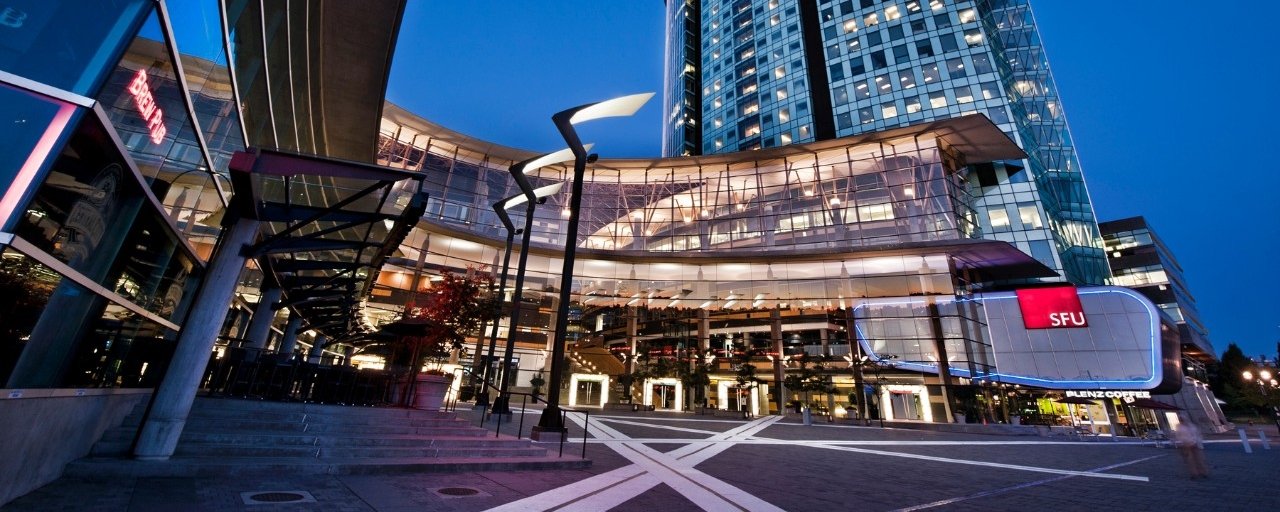
Simon Fraser University PGWP

Simon Fraser University (SFU) and the Post-Graduation Work Permit (PGWP) in Canada
The Post-Graduation Work Permit (PGWP) is one of the most significant immigration pathways available to international students in Canada. It allows graduates from eligible Canadian post-secondary institutions, including Simon Fraser University (SFU), to gain valuable Canadian work experience after completing their studies. For many students, SFU is not only an academic institution but also a gateway to long-term career development and potential permanent residency in Canada. The PGWP plays a central role in this transition by connecting education with the Canadian labour market and immigration system.
Understanding the relationship between SFU and the PGWP requires examining eligibility rules, academic requirements, immigration policies, student responsibilities, and long-term outcomes. This essay explores all of these aspects in depth.
1. Overview of the Simon Fraser University PGWP Program
The Post-Graduation Work Permit is an open work permit issued by the Canadian federal government. It is designed specifically for international students who have completed a program of study at a designated learning institution (DLI) in Canada. SFU is recognized as a DLI, meaning its international graduates are eligible to apply for the PGWP if they meet all required conditions.
The PGWP allows graduates to work for almost any employer in Canada without needing a job offer beforehand. It also allows them to switch employers freely and gain experience in multiple sectors. This flexibility is one of the key advantages of the program.
The duration of the PGWP depends on the length of the academic program completed. Programs that are at least eight months but less than two years may result in a work permit of equivalent length. Programs that are two years or longer often qualify graduates for a three-year PGWP. In some cases, students who complete multiple eligible programs may combine their study lengths to qualify for a longer permit.
2. SFU as a Designated Learning Institution: Simon Fraser University PGWP
Simon Fraser University, located in British Columbia, is a public research university with campuses in Burnaby, Surrey, and Vancouver. It is recognized globally for its strong academic programs, research output, and interdisciplinary education model.
As a designated learning institution, SFU is authorized to enroll international students who hold Canadian study permits. Upon graduation from eligible programs, these students may apply for a PGWP. However, eligibility for the PGWP is not determined by SFU alone; it is also governed by federal immigration rules that apply across Canada.
SFU offers undergraduate, graduate, and professional programs in areas such as business, engineering, computing science, health sciences, arts, social sciences, and environmental studies. Most full-time degree programs at SFU are eligible for PGWP purposes, especially bachelor’s, master’s, and doctoral programs.
3. Eligibility Requirements for SFU Graduates: Simon Fraser University PGWP
To qualify for a PGWP after graduating from SFU, international students must meet several key requirements established by Immigration authorities.
First, students must complete a program that is at least eight months in duration and results in a recognized credential such as a degree, diploma, or certificate.
Second, they must maintain full-time student status during each academic session of their program. At SFU, graduate students typically must remain enrolled full-time during the fall, spring, and summer terms unless specific exceptions apply. The only commonly accepted exception is being part-time in the final term of study.
Third, students must have studied at an eligible designated learning institution such as SFU and must have completed their program in good academic standing.
Fourth, they must apply for the PGWP within 180 days of receiving official confirmation of program completion. This confirmation may include final grades, a completion letter, or official university documentation.
Fifth, students must hold a valid study permit at some point during the 180-day application window.
Finally, the PGWP is a once-in-a-lifetime opportunity. A student can only receive one PGWP in their lifetime, regardless of how many programs they complete in Canada.
4. Recent Policy Changes Affecting PGWP Eligibility: Simon Fraser University PGWP
In recent years, the Canadian immigration system has introduced updates affecting PGWP eligibility. One major change is the introduction of a language proficiency requirement. Applicants must now demonstrate a minimum level of English or French proficiency using standardized language benchmarks.
Another change is the introduction of field-of-study requirements for certain non-degree programs. However, graduates of degree programs such as bachelor’s, master’s, or doctoral degrees at SFU are generally not affected by the field-of-study restrictions.
These changes reflect a broader effort by Canadian immigration authorities to align international education with labour market needs. However, SFU degree graduates remain in a strong position, as their programs continue to be widely recognized as PGWP-eligible.

5. Importance of Full-Time Enrollment: Simon Fraser University PGWP
One of the most critical factors in determining PGWP eligibility is whether the student maintained full-time enrollment throughout their studies. At SFU, this is particularly important because immigration officers assess academic history closely when reviewing applications.
Full-time status is generally defined by SFU’s academic regulations, but ultimately evaluated under immigration standards. Students are expected to remain full-time in all standard academic terms. Exceptions may include final terms or officially authorized leaves of absence.
A common issue that can affect eligibility is taking part-time semesters without authorization or failing to meet full-time enrollment requirements. Even if a university considers a student full-time under its internal rules, immigration officers may still review whether the student met program expectations consistently.
For this reason, SFU students are strongly advised to maintain consistent enrollment and keep documentation explaining any academic interruptions.
6. Study Outside Canada and Remote Learning Considerations
Another important factor affecting PGWP eligibility is where and how a student completes their studies. Immigration rules generally require that a significant portion of the program be completed within Canada.
For SFU students, this means that courses completed online from outside Canada may reduce the total duration of the PGWP. If students study remotely from another country during their program, that time may not count toward PGWP eligibility.
However, online courses completed while physically present in Canada are generally accepted. The key distinction is physical presence in Canada rather than the format of instruction.
This issue became especially relevant during the COVID-19 pandemic, when many students temporarily studied online. Immigration authorities introduced temporary flexibility, but in the current context, in-person presence remains an important factor.
7. Application Process After SFU Graduation: Simon Fraser University PGWP
After completing their program at SFU, students must apply for the PGWP within 180 days. The application process is conducted online and requires several key documents.
These typically include the official SFU completion letter, final transcript, valid passport, and study permit. Students may also need to provide additional documentation depending on their academic history.
Timing is extremely important. The 180-day period begins when the student receives official confirmation of program completion, not when they attend convocation. Many students mistakenly believe graduation ceremonies affect eligibility, but they do not.
Once the application is submitted, students may be allowed to work full-time while waiting for a decision, provided they meet all conditions at the time of application.
8. Working After Graduation
SFU graduates often transition into the Canadian workforce during or after their PGWP application process. If eligible, students may begin working full-time immediately after submitting their PGWP application, even if the permit has not yet been approved.
However, strict rules apply. Students must stop working if they do not meet eligibility conditions at the time of application or if their study permit has expired without maintained status.
The PGWP itself provides full flexibility in employment. Graduates can work in any industry, change jobs freely, or work multiple jobs simultaneously. This flexibility helps SFU graduates gain diverse Canadian work experience.
9. PGWP and Permanent Residency Pathways: Simon Fraser University PGWP
One of the most important benefits of the PGWP is its role in supporting permanent residency applications. Canadian immigration systems often prioritize applicants with Canadian education and work experience.
SFU graduates who obtain PGWP work experience can apply through programs such as Canadian Experience Class or provincial nominee streams. Work experience gained during the PGWP period is highly valued because it demonstrates integration into the Canadian labour market.
Many SFU graduates use the PGWP period strategically to build careers in fields such as technology, engineering, business, healthcare, and public policy.

10. Common Challenges for SFU Students: Simon Fraser University PGWP
Despite its benefits, the PGWP process can be challenging. One common issue is misunderstanding eligibility rules, particularly regarding full-time status and study gaps.
Another challenge is timing the application correctly. Missing the 180-day deadline can result in loss of eligibility.
Documentation errors are also a frequent problem. Students must ensure that all academic records accurately reflect their enrollment history.
Additionally, immigration policies may change over time, requiring students to stay updated on current requirements.
11. Support Systems at SFU: Simon Fraser University PGWP
SFU provides extensive support for international students navigating the PGWP process. Academic advisors and immigration specialists help students understand eligibility rules, prepare documentation, and avoid common mistakes.
These support services are particularly important during the final year of study, when students must make decisions about graduation, employment, and immigration planning.
Students are encouraged to seek guidance early, rather than waiting until after graduation, to ensure they meet all requirements successfully.
12. Conclusion
The Post-Graduation Work Permit is a crucial opportunity for international students graduating from Simon Fraser University. It allows them to transition from academic life to professional employment in Canada while gaining valuable work experience that can support future immigration goals.
SFU graduates are generally well-positioned for PGWP eligibility due to the university’s status as a designated learning institution and its strong academic programs. However, eligibility depends on careful compliance with immigration rules, including full-time enrollment, study location requirements, and timely application submission.
Ultimately, the PGWP serves as a bridge between education and long-term opportunity in Canada. For SFU students, it represents not just a work permit, but a pathway toward building a future in one of the most internationally recognized and immigration-friendly countries in the world.
In case, if you need help with Simon Fraser University PGWP or other immigration support in Canada, please fill in application below or contact us directly.