
Refugee Refused in the US

Refugee Refused in the United States: Understanding the Situation and Exploring Future Options
The United States has long been recognized as a destination for individuals seeking protection from war, persecution, violence, and human rights abuses. Every year, thousands of people apply for refugee status or asylum in the hope of finding safety and building a better future. While many applicants are granted protection, others receive a negative decision, resulting in the refusal of their refugee or asylum claim. A refugee refusal can be one of the most difficult experiences an individual or family may face, creating uncertainty about their future, legal status, and available options. Understanding what a refugee refusal means, why it happens, and what steps may be available afterward is essential for anyone navigating the U.S. immigration system.
A refugee is generally a person who has been forced to flee their home country because of persecution or a well-founded fear of persecution based on factors such as race, religion, nationality, political opinion, or membership in a particular social group. In the United States, individuals may seek protection either by applying for refugee status from outside the country or by applying for asylum after arriving in the United States. Although both forms of protection are based on similar legal principles, they follow different application procedures.
When a refugee or asylum claim is refused, it means that the immigration authorities or the immigration court have determined that the applicant does not meet the legal requirements for protection under U.S. immigration law. A refusal does not necessarily mean that the person's experiences are considered untrue. Instead, the decision may reflect insufficient evidence, legal ineligibility, credibility concerns, procedural issues, or failure to satisfy the legal definition of a refugee or asylee.
There are several reasons why a refugee or asylum application may be refused. One of the most common reasons is insufficient evidence to support the claim. Applicants are generally expected to provide documentation, testimony, witness statements, country condition reports, or other evidence demonstrating that they face persecution if returned to their home country. In some situations, obtaining supporting documents may be extremely difficult because applicants have fled dangerous conditions or left important records behind. Even so, immigration authorities must evaluate the available evidence according to legal standards.
Refugee Refused in the US
Another reason for refusal involves credibility. During interviews or court hearings, applicants are expected to provide truthful, detailed, and consistent information about their experiences. If significant inconsistencies appear in testimony or written applications, decision-makers may question the credibility of the claim. Sometimes inconsistencies result from language barriers, trauma, misunderstandings, memory difficulties, or differences in interpretation rather than intentional dishonesty. Nevertheless, credibility remains an important factor in asylum and refugee decisions.
Some applications are denied because the applicant's circumstances do not meet the legal definition of persecution. Difficult living conditions, economic hardship, unemployment, or generalized violence alone may not satisfy the legal requirements for refugee protection. U.S. immigration law requires applicants to demonstrate that persecution occurred or is likely to occur for one of the protected legal grounds. This legal distinction often explains why individuals facing serious hardships may still receive negative decisions.
Procedural errors may also contribute to refugee refusals. Missing filing deadlines, incomplete applications, failure to attend interviews or hearings, or failure to submit requested documentation can negatively affect a case. Immigration procedures involve numerous deadlines and legal requirements that applicants must carefully follow throughout the process.
Changes in country conditions sometimes influence decisions as well. If immigration authorities determine that conditions in the applicant's country have improved significantly since the original events occurred, they may conclude that the applicant no longer faces a well-founded fear of persecution. Country condition reports prepared by governments and international organizations often play an important role in these assessments.
Receiving a refugee refusal can have serious emotional consequences. Many applicants have already experienced violence, conflict, imprisonment, discrimination, or separation from family members before seeking protection. A negative decision may create feelings of disappointment, anxiety, uncertainty, fear, and hopelessness. Families often worry about possible removal from the United States, separation from loved ones, financial difficulties, and the future education of their children. Emotional support from family members, community organizations, counselors, and legal representatives can be valuable during this challenging period.
The legal consequences of a refugee refusal depend on the specific circumstances of each case. Some applicants may receive removal proceedings before an immigration judge, while others may already have received a final removal order. Certain individuals may have opportunities to appeal unfavorable decisions if they believe legal or factual errors occurred during the original review. Appeals generally involve strict filing deadlines, making prompt legal advice especially important.
Refugee Refused in the US
In some cases, applicants may request that their cases be reopened or reconsidered if significant new evidence becomes available or if important legal errors affected the original decision. Motions to reopen or reconsider follow specific legal procedures and require careful preparation. Whether such requests are available depends on the facts of the individual case and applicable immigration regulations.
Not every person whose refugee claim is refused must immediately leave the United States. Some individuals may qualify for other forms of immigration relief depending on their personal circumstances. For example, employment-based immigration, family sponsorship, humanitarian protections, temporary visas, or other immigration programs may provide alternative legal pathways if eligibility requirements are satisfied. Every immigration situation is unique, making individualized legal advice particularly valuable.
Refugee Refused in the US
Family-based immigration remains one possible alternative for certain individuals. U.S. citizens and lawful permanent residents may sponsor eligible family members for immigration benefits under specific legal requirements. Immediate relatives generally receive priority within the immigration system, although waiting periods may apply for other family relationships.
Employment-based immigration represents another potential option for some applicants. Individuals with specialized education, professional experience, exceptional abilities, or employer sponsorship may qualify for employment-related immigration programs if they meet applicable legal criteria. These pathways are separate from refugee protection and involve different eligibility standards.
Some individuals whose refugee claims are refused begin exploring immigration opportunities outside the United States. Canada, Australia, New Zealand, and several European countries operate immigration systems that include economic immigration, family reunification, temporary work permits, study permits, and humanitarian programs. However, each country establishes its own immigration laws, eligibility requirements, and application procedures. A refugee refusal in the United States does not automatically prevent someone from applying under another country's immigration programs, although previous immigration history may need to be disclosed during future applications.
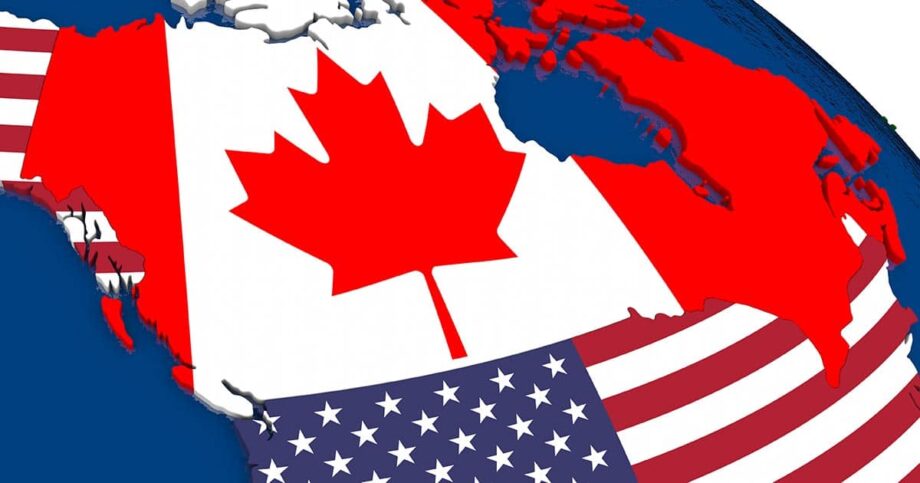
Canada is frequently considered by individuals seeking long-term immigration opportunities after receiving a negative refugee decision in the United States. Canada offers numerous legal immigration pathways, including skilled worker programs, provincial nominee programs, family sponsorship, business immigration, and study permits. However, refugee protection claims involving travel between the United States and Canada may be affected by bilateral agreements and Canadian immigration laws. Individuals considering Canadian immigration should carefully review applicable legal requirements before making decisions.

Refugee Refused in the US
Education may provide another pathway for some individuals. International students who qualify for admission to educational institutions and meet visa requirements may pursue academic studies while complying with immigration regulations. Completing higher education can improve future employment opportunities and potentially support long-term immigration plans in certain countries.
Maintaining lawful immigration status remains extremely important throughout any immigration process. Individuals should carefully understand the conditions attached to their visas or other immigration documents. Remaining informed about legal obligations helps reduce the risk of additional immigration complications in the future.
Refugee Refused in the US
Legal representation often plays a significant role in refugee and asylum cases. Immigration law is highly complex and frequently changes through legislation, regulations, administrative decisions, and court rulings. Qualified immigration lawyers and accredited legal representatives help applicants understand their rights, prepare documentation, meet deadlines, and evaluate available legal options following a refusal.
Community organizations also provide valuable assistance to immigrants facing refugee refusals. Many nonprofit organizations offer legal referrals, language interpretation, educational workshops, counseling services, employment assistance, housing support, and connections to community resources. These services help individuals navigate difficult circumstances while maintaining hope for the future.
Children are particularly affected when refugee claims are refused. Many children have already experienced trauma before arriving in the United States. Uncertainty regarding immigration status may affect their emotional well-being, education, friendships, and sense of security. Schools, counselors, healthcare providers, and community organizations often work together to support children and families experiencing immigration-related stress.
Mental health is another important consideration. Experiencing persecution, displacement, migration, and legal uncertainty can significantly affect emotional well-being. Anxiety, depression, post-traumatic stress, sleep disturbances, and emotional exhaustion are common among individuals facing refugee refusals. Access to professional mental health services can help individuals develop coping strategies and maintain resilience during challenging times.
Employment opportunities may also be affected by refugee refusals depending on an individual's immigration status. Some applicants may lose eligibility for employment authorization after certain legal decisions become final. Understanding work authorization rules is essential to maintaining compliance with immigration laws while exploring future legal options.
Despite the challenges associated with refugee refusals, many individuals eventually find alternative legal pathways that allow them to build stable lives. Some successfully appeal negative decisions, others qualify for different immigration programs, and many pursue educational or employment opportunities that create new possibilities. Persistence, accurate information, careful planning, and professional legal guidance often contribute to more positive long-term outcomes.

Refugee Refused in the US
It is also important to recognize the importance of honesty throughout all immigration processes. Providing truthful information, accurate documentation, and complete disclosure during immigration applications helps maintain credibility and protects the integrity of the legal process. Misrepresentation may create additional legal difficulties that affect future immigration opportunities in the United States or other countries.
Governments have the responsibility to balance humanitarian protection with national security, border management, and immigration law enforcement. Refugee determination systems therefore involve careful examination of each individual case based on legal standards, available evidence, and applicable regulations. Although not every application is approved, the review process seeks to ensure fairness while protecting individuals who genuinely qualify for international protection.
International cooperation also plays an important role in refugee protection. Many countries participate in humanitarian programs, refugee resettlement initiatives, and international agreements designed to protect individuals fleeing persecution. At the same time, each country retains the authority to establish its own immigration policies and determine eligibility for admission according to domestic law.
Preparation is one of the most valuable tools for individuals pursuing any immigration application. Careful organization of supporting documents, detailed preparation for interviews, consistent testimony, and understanding applicable legal requirements can strengthen future applications under any immigration category. Applicants who remain informed and seek reliable legal advice are often better positioned to make sound decisions.
For individuals whose refugee claims have been refused, it is important to remember that one negative immigration decision does not necessarily eliminate every opportunity for the future. Immigration systems often provide multiple legal pathways depending on education, employment, family relationships, humanitarian circumstances, or other qualifications. Evaluating these alternatives carefully may reveal opportunities that were not initially considered.
Refugee Refused in the US
In conclusion, a refugee refusal in the United States is a significant legal and personal event that can create uncertainty and emotional hardship. Refusals may occur for many reasons, including insufficient evidence, credibility concerns, procedural issues, or failure to meet the legal definition of refugee protection. Although the consequences can be serious, individuals may still have legal options depending on their circumstances, including appeals, alternative immigration programs, family sponsorship, employment-based pathways, educational opportunities, or immigration to other countries under their respective laws. Understanding the legal process, maintaining honesty, seeking qualified legal advice, and exploring available options carefully can help individuals make informed decisions about their future. While the journey may become more challenging after a refugee refusal, many people continue to pursue lawful opportunities that allow them to achieve safety, stability, and a better life for themselves and their families.
In case, if you prefer to consider Immigration to Canada after Refugee Application was Refused in the US, please fill in application below or contact us directly.