
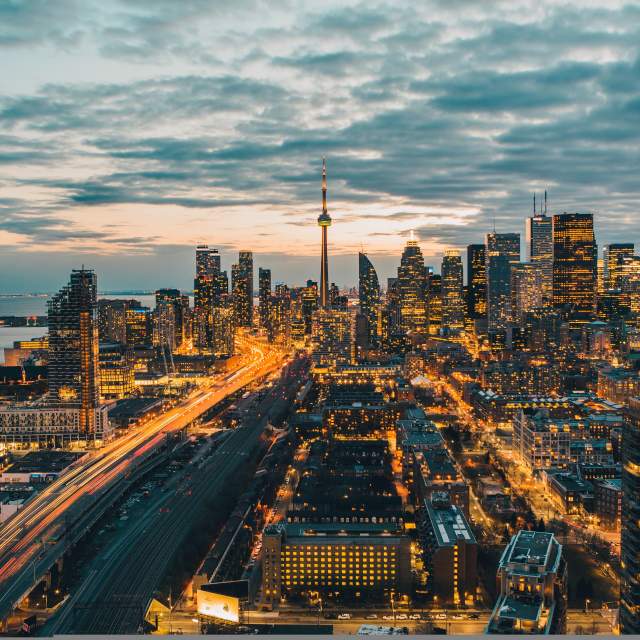
Become a Refugee in Toronto

How to Claim Refugee Protection in Toronto
Toronto is one of Canada's largest and most diverse cities and is home to people from communities around the world. For individuals who fear returning to their home country because of persecution, serious harm, or other dangers recognized under Canadian refugee law, Canada may provide a legal process through which they can seek protection.
However, becoming a refugee in Canada is not simply a matter of choosing to live in Toronto. A person must make a refugee protection claim and demonstrate that they meet the legal requirements for protection under Canadian law. The process can be complex, and each case is assessed according to the claimant's individual circumstances and the evidence available.
For people who are already in Toronto or are considering making a refugee claim in Canada, understanding the process is an important first step.
What Does It Mean to Be a Refugee in Canada?
Canadian immigration law recognizes different categories of people who may qualify for refugee protection.
Generally, a person may qualify as a Convention refugee if they are outside their country of nationality and have a well-founded fear of persecution because of factors such as race, religion, nationality, membership in a particular social group, or political opinion.
Another category involves people who face a risk of serious harm if returned to their country. This can include circumstances involving torture, a risk to life, or cruel and unusual treatment or punishment, subject to the requirements of Canadian law.
The important point is that financial difficulties, unemployment, a desire for a better lifestyle, or a general preference for living in Canada do not, by themselves, establish refugee protection.
A refugee claim is based on protection needs rather than simply wanting to immigrate to Canada.
Who Can Make a Refugee Claim in Toronto?
People physically present in Canada may be able to make a refugee protection claim, provided they meet the applicable eligibility requirements.
A claim may be made by someone who entered Canada through an airport, land border, seaport, or another authorized point of entry, as well as by certain people who are already inside Canada.
Eligibility is a critical issue.
Not every person who asks for refugee protection will be permitted to have their claim referred for a full hearing. Canadian authorities examine whether legal restrictions apply to the claim.
Factors that can affect eligibility may include previous refugee claims, immigration history, criminal or security concerns, status in another country, and how and when the person entered Canada.
There are also specific rules affecting some claims made at the Canada–United States land border.
Because eligibility rules can be complicated and can change, anyone considering a claim should obtain professional legal or immigration advice based on their personal circumstances.
Refugee Protection at the Canadian Border: Become a Refugee in Toronto
A person seeking protection may make a claim when arriving in Canada, subject to the applicable requirements.
At a Canadian port of entry, an immigration officer may ask questions about the person's identity, travel history, immigration history, destination, and reasons for seeking protection.
The information provided during this stage can become important later in the refugee process.
Claimants should therefore answer questions honestly and carefully. Providing false information or concealing important facts can create serious immigration consequences.
If the claim is found eligible for referral, the claimant will generally receive information explaining the next stages of the process and the documents they must complete.
Making a Refugee Claim From Inside Canada
Someone who is already in Toronto may be able to make a refugee claim from within Canada.
The claimant must provide information about their identity, background, family, travel history, and reasons they cannot safely return to their country.
A central part of the process is explaining why the claimant needs Canada's protection.
The claimant's written information should provide a clear and truthful account of what happened, why they are at risk, and why they cannot reasonably obtain protection in their home country.
Consistency is extremely important.
A claimant may be asked about events described in their application during interviews or at a later hearing. Differences between the written claim and oral testimony can raise questions about credibility.
This does not mean that a person must remember every date perfectly. Traumatic events and stressful circumstances can affect memory. However, claimants should make every reasonable effort to provide accurate information and explain genuine uncertainties.
The Basis of Claim: Become a Refugee in Toronto
A major part of a refugee protection application is the claimant's explanation of why they need protection.
The claimant generally needs to provide detailed information about their circumstances, including relevant events that caused them to fear returning home.
A strong explanation should be truthful, personal, and specific.
For example, instead of simply stating that a country is dangerous, a claimant may need to explain what happened to them personally, who caused the harm or threat, why they were targeted, whether they sought protection, and what they believe would happen if they returned.
The decision-maker considers the evidence and circumstances of the individual case rather than simply whether conditions in a country are generally difficult.

Evidence for a Refugee Claim: Become a Refugee in Toronto
Evidence can be extremely important in a refugee case.
Depending on the circumstances, relevant evidence may include:
- Identity documents.
- Passports and travel records.
- Police reports.
- Medical records.
- Hospital documentation.
- Court documents.
- Threatening messages.
- Emails or letters.
- Photographs.
- Employment records.
- Membership records.
- Political or religious organization documents.
- News reports relevant to the claimant's circumstances.
- Evidence concerning family members.
- Witness statements.
- Country-condition information.
Not every claimant will have all of these documents.
Some people flee suddenly and cannot collect evidence before leaving their country. The absence of a particular document does not automatically mean that a claim is unsuccessful.
However, claimants should provide whatever genuine evidence is reasonably available and should never create, alter, or purchase documents to support a claim.
False evidence can seriously damage credibility and may have severe immigration consequences.
What If You Do Not Have a Passport?
Some people seeking refugee protection arrive without a passport or other identity documents.
A lack of documentation does not automatically mean that a person cannot make a refugee claim. However, immigration authorities will still need to establish identity and examine the circumstances surrounding the person's travel.
Claimants should explain honestly why documents are missing.
Destroying or hiding identity documents can create additional questions, particularly if authorities believe information is being withheld.
The Refugee Hearing in Canada
If a claim proceeds to the refugee determination process, the claimant may be required to attend a hearing before Canada's Immigration and Refugee Board, specifically the Refugee Protection Division.
The hearing is an important opportunity for the claimant to explain their case and answer questions.
The decision-maker may ask about:: Become a Refugee in Toronto
- The claimant's personal history.
- Their identity.
- Their family.
- Events that caused them to flee.
- Threats or persecution.
- Attempts to obtain protection from authorities.
- Travel history.
- Previous immigration applications.
- Time spent in other countries.
- Evidence submitted with the claim.
- Why the claimant cannot safely return.
The claimant should listen carefully to each question and answer truthfully.
If they do not understand a question, they should ask for clarification rather than guessing.

Why Legal Representation Can Be Important
Refugee law can involve complex legal and factual issues.
A refugee lawyer or qualified legal representative can help a claimant understand the applicable legal framework, organize evidence, prepare for questioning, and identify potential issues with the claim.
Professional representation does not guarantee a positive decision. The claimant remains responsible for providing truthful information and participating in the process.
A representative can, however, help ensure that the claimant understands what is being asked and how the legal requirements apply to the facts of their case.
People with limited financial resources may also qualify for legal assistance through available services, depending on their circumstances.
Housing and Support in Toronto
People making refugee claims may face significant challenges when they first arrive in Toronto.
Housing, food, transportation, employment, healthcare, language services, and other settlement needs can become immediate concerns.
Toronto has organizations and community services that assist newcomers and people seeking protection. Availability and eligibility can vary, so individuals should seek current information about the services available to them.
New claimants should keep copies of important immigration documents and maintain a safe record of their applications, identification, appointment notices, and correspondence.
Keeping documents organized can make it easier to respond to immigration requirements and attend appointments.
Healthcare for Refugee Claimants: Become a Refugee in Toronto
Refugee claimants may have access to Canada's Interim Federal Health Program, subject to eligibility and applicable rules.
Healthcare coverage can be different from provincial health insurance and may change depending on the claimant's immigration status.
People with urgent medical needs should seek appropriate medical attention rather than delaying treatment because of uncertainty about immigration status.
Claimants should also keep copies of medical records that may be relevant to their refugee case, particularly where physical or psychological harm is part of the circumstances described in the claim.
Can Refugee Claimants Work in Canada?
Eligible refugee claimants may be able to obtain authorization to work in Canada.
Work authorization is subject to Canadian immigration requirements. Claimants should not assume that making a refugee claim automatically gives them unrestricted permission to work.
Once authorized, employment can help claimants support themselves while their case is being processed.
Claimants should follow the conditions associated with their immigration documents and seek advice if their circumstances change.
Can Refugee Claimants Study in Canada?
Depending on their circumstances and immigration status, refugee claimants may have opportunities to study in Canada.
Education can be an important part of rebuilding a life in Toronto, particularly for young people and individuals seeking professional qualifications.
However, immigration status and education authorization are separate issues. Claimants should determine what authorization or documentation is required before beginning a program.
Family Members and Refugee Claims: Become a Refugee in Toronto
Family circumstances can be particularly important in refugee cases.
A claimant may have a spouse, partner, children, parents, or other relatives who remain outside Canada. The legal options available to family members depend on the claimant's circumstances and the stage and outcome of the refugee process.
Claimants should provide accurate information about family members in their immigration applications.
Failing to disclose family members or providing incorrect information can create complications later.
After a person receives refugee protection, there may be immigration pathways that allow certain family members to be included in future applications, subject to the applicable requirements.
What Happens if a Refugee Claim Is Accepted?
If the Refugee Protection Division accepts a claim, the individual receives protected-person status in Canada.
This can provide an important foundation for building a life in Canada.
A protected person may then have options to apply for permanent residence, subject to the applicable requirements and procedures.
Obtaining permanent residence is a separate immigration stage. Refugee protection and permanent residence should not be treated as exactly the same thing.
After receiving protection, individuals should pay close attention to the next immigration steps and any applicable deadlines.
What Happens if a Refugee Claim Is Refused?
A refused refugee claim does not necessarily mean that there are no legal options remaining.
Depending on the circumstances, a person may have access to an appeal or other legal process.
The appropriate option depends on the reason for refusal, the claimant's immigration history, the type of decision received, and applicable deadlines.
Deadlines can be extremely important.
Someone who receives a negative refugee decision should obtain legal advice promptly rather than waiting until a deadline is close to expiring.
Common Mistakes Refugee Claimants Should Avoid
Refugee claimants should take the process seriously from the beginning.
Some common problems include providing inconsistent information, exaggerating events, submitting unreliable documents, missing appointments, failing to update contact information, ignoring immigration correspondence, or waiting too long to seek legal advice.
Another common mistake is relying entirely on another person's refugee story.
Every refugee case is different.
A story that resulted in protection for one person does not automatically establish eligibility for someone else.
The most important principle is honesty.
A claimant should tell the truth even when some facts are difficult or embarrassing. If there is a mistake in an application, it should be addressed rather than concealed.
Can You Travel Outside Canada During a Refugee Claim?
Travel outside Canada while a refugee claim is pending can create serious issues.
A claimant who returns to the country from which they are seeking protection may face questions about whether they genuinely fear returning.
International travel can also affect immigration proceedings and documents.
Anyone considering leaving Canada while their refugee claim is pending should obtain legal advice before making travel arrangements.
The fact that a person can physically travel does not necessarily mean that doing so is safe for their immigration case.
Refugee Protection Is Different From Other Immigration Programs
Canada has several immigration categories, including family sponsorship, economic immigration, temporary residence, study permits, and work permits.
Refugee protection is different.
The purpose of refugee protection is to protect people who cannot safely return to their country because they meet Canada's legal requirements for protection.
Someone who wants to move to Canada primarily for employment or education should generally investigate the immigration pathways designed for those purposes rather than attempting to use the refugee system as a substitute.
Making a refugee claim without a genuine protection need can have serious consequences.
Preparing for Life in Toronto: Become a Refugee in Toronto
For people who genuinely need protection, Toronto can offer an opportunity to establish a new life.
Learning English or French, finding appropriate housing, continuing education, developing professional skills, and building a community can all help newcomers become established.
Toronto's multicultural environment means that many newcomers can find cultural communities and support networks. At the same time, the city's cost of living can be challenging, particularly during the early stages of settlement.
Creating a realistic financial plan is therefore important.
Claimants should understand their available support, employment options, housing situation, transportation needs, and educational goals.
The Importance of Early Immigration Advice
Refugee cases can involve complicated questions about eligibility, evidence, credibility, country conditions, family relationships, and immigration history.
Getting appropriate advice early can help a claimant understand the process and avoid preventable mistakes.
At IEC Immigration Ltd, the focus is on helping individuals understand their immigration circumstances and navigate the Canadian immigration process with appropriate preparation and professional guidance.
A consultation can help a person understand what information may be relevant to their situation, what documents may be important, and what questions should be addressed before proceeding.
Conclusion
Seeking refugee protection in Toronto is a serious legal process. It is not simply a way to obtain permission to remain in Canada. A person must demonstrate that they meet the requirements for refugee protection and must participate honestly and fully in the immigration process.
From making an initial claim and preparing the necessary information to attending a hearing and considering future immigration options, each stage requires careful attention.
For individuals who genuinely fear persecution or serious harm in their home country, understanding their rights and responsibilities is essential.
IEC Immigration Ltd can assist individuals who need professional guidance with Canadian immigration matters and help them better understand the options that may apply to their circumstances.
Every refugee case is unique. Immigration laws, procedures, eligibility requirements, and government policies can change, so information should always be assessed according to the rules applicable at the time of the claim.
If you are considering seeking refugee protection in Toronto, obtaining professional advice early can help you understand the process, prepare accurately, and make informed decisions about your future in Canada.
In case, if you prefer to Become a Refugee in Toronto, please fill in application below or contact us directly.